
Creating new perspectives since 2009

-

Columbia Uni Palestine camp’s passover event attended by Jews and Muslims
Students from all faiths and backgrounds at the Columbia University Palestine protest camp hold a Seder gathering for the Jewish holiday of Passover, while the US media and political class continue to make allegations of anti-Semitism against the protesters. Jewish author and activist Naomi Klein made a defiant speech to the gathering, saying 'what I want to say to you at this revolutionary Seder in the streets, is that too many of our people are worshipping a false idol once again. That false idol is Zionism.'
-

A Palestinian doctor who lost 7 from his family in Gaza speaks at Brazil´s Parliament
The Human Rights Committee of the Brazilian Parliament devoted a public hearing session on...
-

BREAKING: Far-right Israel minister Ben-Gvir injured in car crash
National Security Minister Itamar Ben-Gvir's car overturned on his return from a visit to Ramle, his office said he was feeling 'good' and 'is conscious'
Trending news
- Videos & Photo Stories BREAKING: Far-right Israel minister Ben-Gvir injured in car crash
- News Senator slams Israel Premier over remarks on US college campuses
- News It could take 14 years to clear debris in Gaza: UN
- Reviews Palestine is everywhere at the Venice Biennale this year
- News Turkiye launches project to develop new domestic aircraft carrier
- News Minister calls for ousting PA if it seeks arrest warrants for Israel war criminals
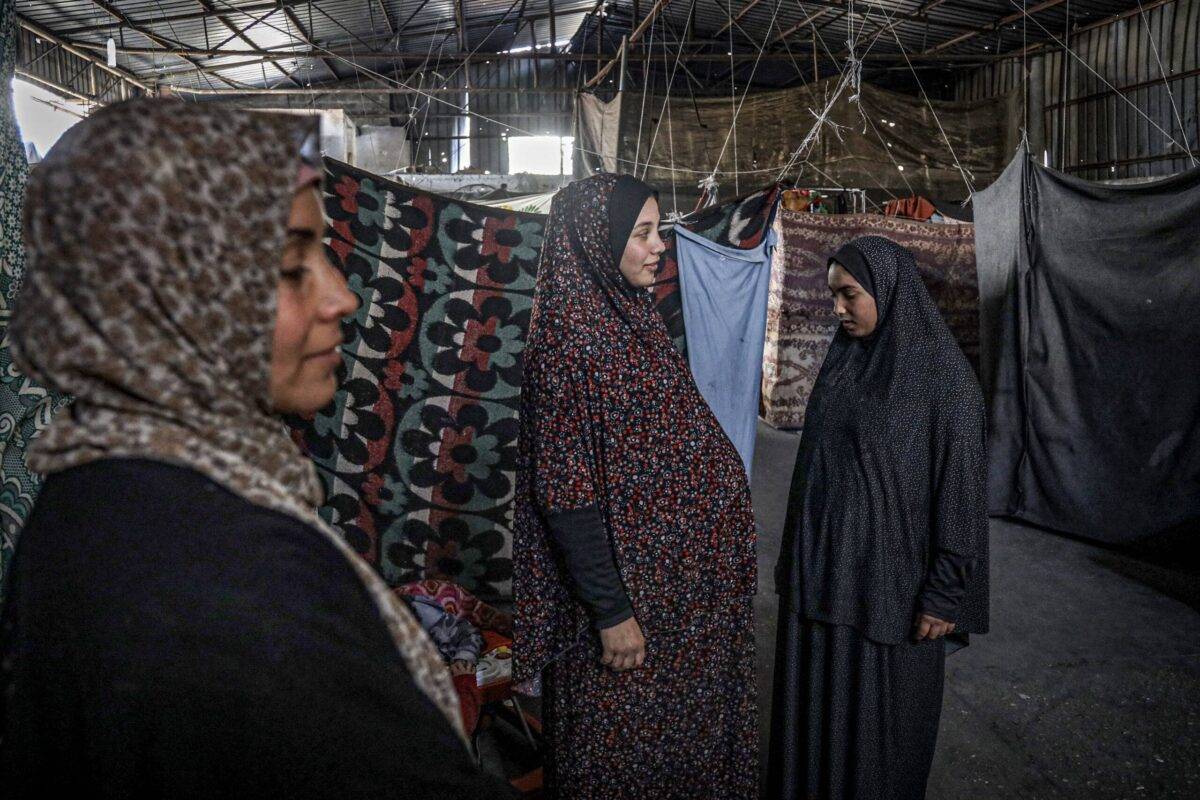
- News LIVE UPDATES: Pregnant women in Gaza not receiving needed healthcare, warns UK-based charity Save the Children
- News Israel media: Netanyahu fears arrest warrants, requests assistance from UK, Germany
- News 190 bodies found in mass grave at hospital in Gaza’s Khan Yunis
- Article The dream of Israel on a calm Persian night
- Videos & Photo Stories Palestine This Week: The bodies Israel doesn't want you to see
- Article Documents reveal British soft power’s objectives in Egypt
Latest news
See all


Must see
See all


Featured Writers


-
-
-

Iran, Israel and US power: MEMO in Conversation with Trita Parsi
Has Iran’s direct retaliatory strike on Israel been a major blow to Israel’s deterrence capacity or a blow to Tehran on a world stage? MEMO speaks to leading expert on US-Iran relations Dr Trita Parsi.
-
-
-
A Palestinian doctor who lost 7 from his family in Gaza speaks at Brazil´s Parliament
The Human Rights Committee of the Brazilian Parliament devoted a public hearing session on Wednesday evening to discuss the humanitarian crisis in the Gaza Strip. What is notable this time at this session is the presence of an eyewitness from Gaza, as the Brazilian Parliament invited an eyewitness from Gaza to come to Brazil and speak about the genocide and the systematic human rights violations by the Israeli Occupation Forces against the Palestinian people in Gaza, calling on Brazilian deputies to exert more pressure on the Occupation and expose its crimes. Speaking at the Brazilian Parliament, the former Dean of Dentistry Faculty in Palestine University of Gaza, Dr. Jamal Naim, who was brought out from under the rubble of a […]
-
-
-
-
-

Palestine is everywhere at the Venice Biennale this year
Besides the controversy around the closed Israeli Pavilion, we looked at three shows representing different facets of Palestine at the 2024 Venice Biennale
-
-
-

Sfeeha (Meat pies)
I was always a little intimidated or hesitant to make dough and I know I am not ...
-
-


