

Creating new perspectives since 2009

-

Israel using Meta's WhatsApp to kill Palestinians in Gaza through AI system
Israel’s killing of Palestinians in Gaza through its AI targeting system has been aided...
-

From the river to the sea – a call for rightful decolonisation
Israeli media is celebrating another win for its narrative, as the US Congress passed...
-

Israel Knesset member calls for building ‘3rd temple’ at Al-Aqsa Mosque
A far-right member of the Knesset (Israel’s parliament) has called for building what he...
Trending news
- News Gaza photographer wins 2024 World Press Photo of the Year award
- Article Hypocritical Arab and Muslim countries help Israel kill more Palestinians while condemning it
- News Ben-Gvir: Executing Palestinian detainees best way to combat ‘prison overcrowding’
- Article David Cameron had a chance to redeem his foreign policy career, but Gaza once again exposes his hypocritical incompetence
- News Israel has arrested more than 5,000 Palestinians in Gaza since October
- News More than half of Israelis oppose a strike on Iran as Israel’s deterrence capacity shatters
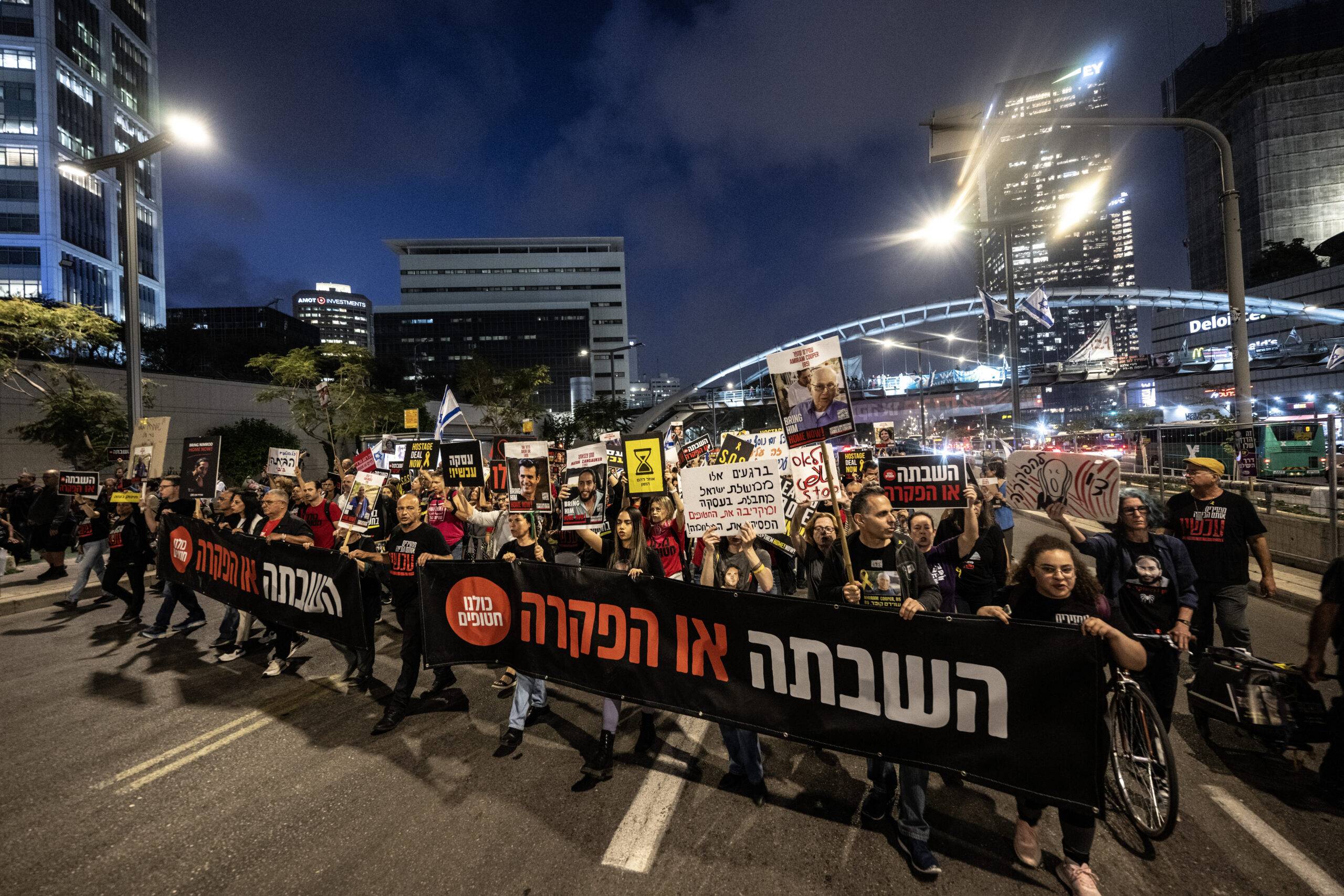
- News LIVE UPDATES: Israelis rally near Defence Ministry headquarters in Tel Aviv calling for prisoner swap deal
- News Pentagon frustrated as Israel did not notify US over strike on Iran site in Syria: Report
- News Countering Iran's overnight attack costs Israel $1.35bn: Israeli media
- News US, UK intercepted more than 100 Iranian drones: Israeli source
- News Russian foreign minister calls Israeli strike on Iranian diplomatic mission in Damascus 'political killing'
- News US seeks China’s help to urge Iran not to retaliate against Israel
Latest news
See all


Must see
See all


Featured Writers


-
-
-

What happened to the Arab City? MEMO in Conversation with Nasser Rabbat
The Arab world of yesteryear had cities abuzz with sounds, schools, mosques and places to learn and improve. Now these cities have dropped in importance and become dirty and congested as Western ideas of metropolitan life took over, but is there a revival?
-
-
-

War on Gaza helping to pause transfer of Argentina’s embassy to Jerusalem, expert says
Less than two months after a promise made by Argentina’s President Javier Milei during his visit to Israel to transfer its embassy to Jerusalem, the Argentinian Senate has decided to freeze the process. Instead, the Argentinian government has proposed to appoint a new ambassador to Israel. According to local reports, the Argentine Senate decided to stop the transfer process after numerous days of negotiations due to the disagreement of leftist legislators, arguing that Jerusalem is classified as a disputed territory by the United Nations (UN). According to Argentine law, South American countries should not establish any embassy or political institutions in “occupied and disputed territories”. “This will not happen and the country will not do anything that goes against the […]
-
-
-
-
-

Refuge and Resistance: Palestinians and the International Refugee System
Reading Anne Irfan’s study on Palestinians and the UN Relief and Works Agency for Palestine Refugees (UNRWA) at a time when Israel is committing genocide in Gaza illustrates how the allegedly apolitical premise of the UN cannot translate to neutrality, given that the agency is enmeshed with the UN, its donors and the Palestinian people themselves. While UNRWA’s mandate was primarily restricted to offering aid on a temporary basis, Israeli colonialism and the Israeli government’s refusal to allow Palestinians to return to their home transformed UNRWA. Mainly funded by powerful countries that hold a seat at the UN Security Council, Irfan’s book traces various strands of history and how these intertwine with internationalism, imperialism, Israeli colonisation and Palestinian refugees. Following […]
-
-
-

Sfeeha (Meat pies)
I was always a little intimidated or hesitant to make dough and I know I am not ...
-
-


