
Creating new perspectives since 2009

-

Israel's Netanyahu says 'more has to be done' to stop pro-Palestinian protests on US campuses
Israeli Prime Minister, Benjamin Netanyahu, said on Wednesday “more has to be done” to...
-

US assesses Israel killed, injured over 80,000 Palestinians in Gaza by end of 2023
The United States has assessed that Israel killed or injured almost 80,000 Palestinians in...
-

Student protests for Palestine spread to 2 more universities in US
Two more universities in the US started encampments, Wednesday, to protest the Israeli onslaught...
Trending news
- News Israel suffers major blow as Germany resumes funding to UNRWA
- News Jamaica formally recognises Palestine as a state
- Article The ideological coup: How disciples of Kahane became the new face of Israel
- News UK suspends legal assessments on Israel's compliance with international law
- News UN: Iran ‘weeks not months’ away from enough uranium to make bomb
- Videos & Photo Stories Iran, Israel and US power: MEMO in Conversation with Trita Parsi
- News Gaza photographer wins 2024 World Press Photo of the Year award
- News Israel using Meta's WhatsApp to kill Palestinians in Gaza through AI system
- Article David Cameron had a chance to redeem his foreign policy career, but Gaza once again exposes his hypocritical incompetence
- Article Hypocritical Arab and Muslim countries help Israel kill more Palestinians while condemning it
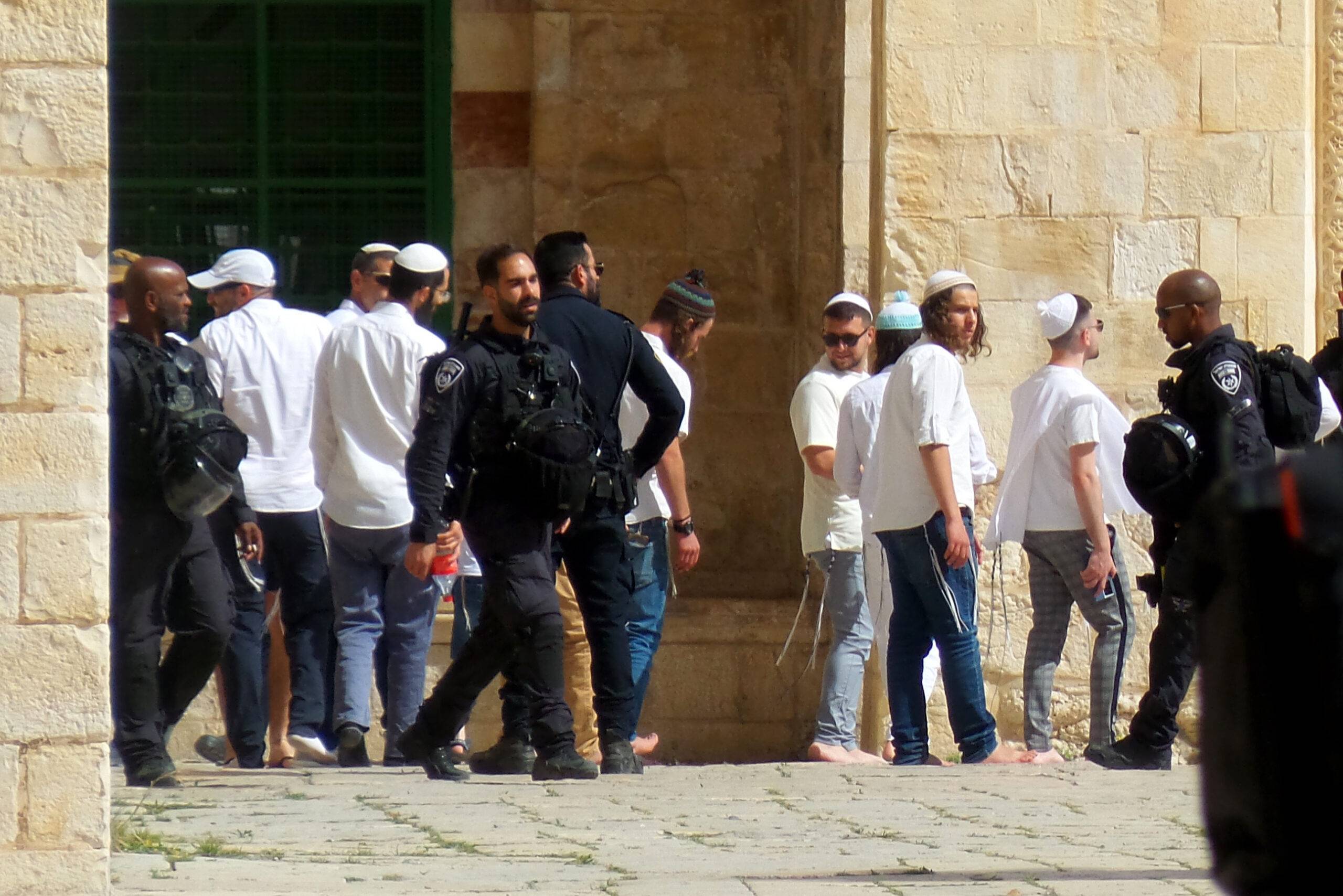
- News LIVE UPDATES: Over 700 illegal Israeli settlers storm Al-Aqsa Mosque
- Blog From the river to the sea – a call for rightful decolonisation
Latest news
See all


Must see
See all


Featured Writers


-
-
-

Iran, Israel and US power: MEMO in Conversation with Trita Parsi
Has Iran’s direct retaliatory strike on Israel been a major blow to Israel’s deterrence capacity or a blow to Tehran on a world stage? MEMO speaks to leading expert on US-Iran relations Dr Trita Parsi.
-
-
-

US provides political protection for Israeli massacres: Hamas chief Ismail Haniyeh
Hamas Political Bureau Chief Ismail Haniyeh said Saturday that tens of thousands of people in the Gaza Strip have been killed using US weapons, adding that Washington’s veto against the establishment of a Palestinian state at the United Nations Security Council (UNSC) effectively provides political protection for Tel Aviv’s actions. “The US position is deceptive, even though it says it does not want civilians to be harmed, this is an attempt at manipulation. All the civilians killed in Gaza, thousands, tens of thousands of martyrs, were killed with US weapons, with US rockets, under US political protection. What does the US veto of the ceasefire resolution at the UNSC mean? It means that the US is giving full protection and […]
-
-
-
-
-

Refuge and Resistance: Palestinians and the International Refugee System
Reading Anne Irfan’s study on Palestinians and the UN Relief and Works Agency for Palestine Refugees (UNRWA) at a time when Israel is committing genocide in Gaza illustrates how the allegedly apolitical premise of the UN cannot translate to neutrality, given that the agency is enmeshed with the UN, its donors and the Palestinian people themselves. While UNRWA’s mandate was primarily restricted to offering aid on a temporary basis, Israeli colonialism and the Israeli government’s refusal to allow Palestinians to return to their home transformed UNRWA. Mainly funded by powerful countries that hold a seat at the UN Security Council, Irfan’s book traces various strands of history and how these intertwine with internationalism, imperialism, Israeli colonisation and Palestinian refugees. Following […]
-
-
-

Sfeeha (Meat pies)
I was always a little intimidated or hesitant to make dough and I know I am not ...
-
-


